Data Fragmentation
Information existing in separate systems can create visibility challenges, potentially affecting coordination.
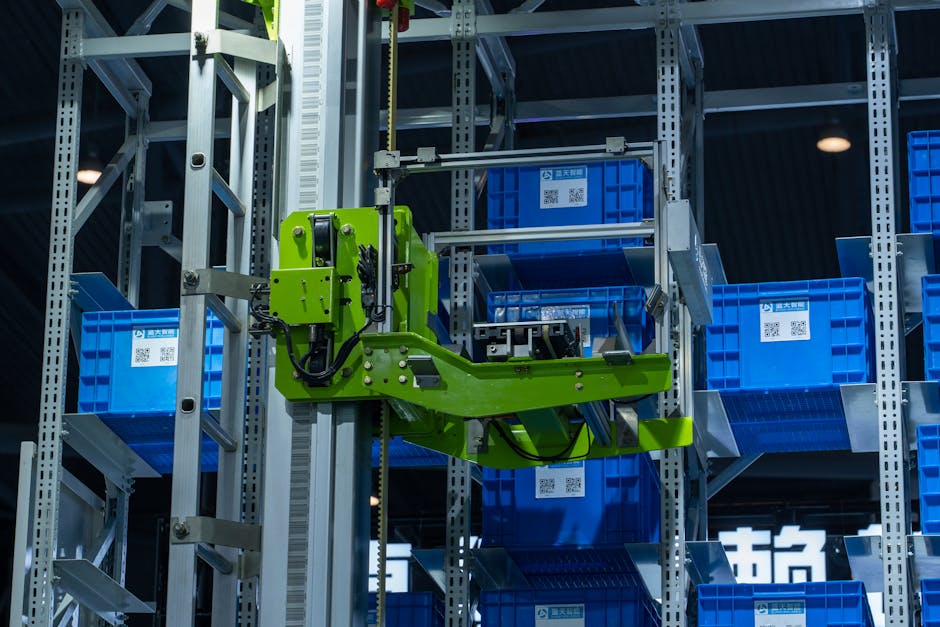
Business operations often involve complex challenges related to data management, customer interaction, and internal workflows. This page outlines how various technological frameworks and methodologies can be applied to address such operational contexts. The focus is on understanding processes, not on guaranteed outcomes.
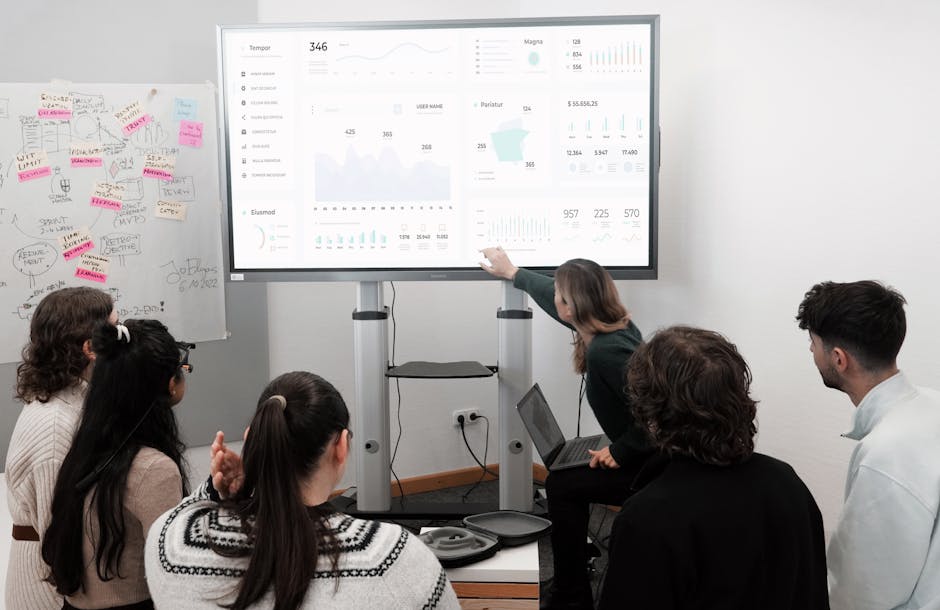
Many organizations encounter operational contexts where manual processes or legacy systems create complexity. Apex Logic examines these situations through a methodological lens, focusing on the structure of information flow and system interaction. The approach involves mapping existing workflows to identify areas where technological tools might be integrated. This analysis is presented as an informational framework, dependent on specific organizational variables and external factors.

Information existing in separate systems can create visibility challenges, potentially affecting coordination.
High volumes of manual, repetitive tasks are a common operational context across various industries.
Customer interaction points that lack integration may present coordination challenges for service teams.
A lack of real-time insight into workflow stages is a frequent consideration for process analysis.
Apex Logic approaches these operational contexts by first conducting a structured analysis of current processes. This phase involves documenting workflows, data sources, and user interactions without presupposing specific solutions. The subsequent phase involves exploring technological categories—such as integration platforms or workflow automation tools—that could be contextually relevant. This exploration is framed as an informational overview, acknowledging that the applicability of any tool depends on numerous external and internal variables.

The application of technology to business operations is not a linear cause-and-effect relationship. It is a multi-stage process involving analysis, planning, and iterative adaptation. Success in such endeavors is conditional and relies on factors including organizational readiness, resource allocation, and ongoing maintenance. This content is intended to provide a framework for understanding these processes, not to suggest predictable results or replace professional consultancy.
For Apex Logic, the primary function is to provide a detailed, analytical perspective on how technology interfaces with business operations. This involves breaking down complex operational scenarios into component parts to understand interactions and dependencies. The company's role is framed as offering methodological guidance and informational resources about potential technological applications. The responsibility for decisions and final outcomes remains with the client organization, based on their unique circumstances and in consultation with their advisors.

1501 4th Ave, Suite 200, Seattle